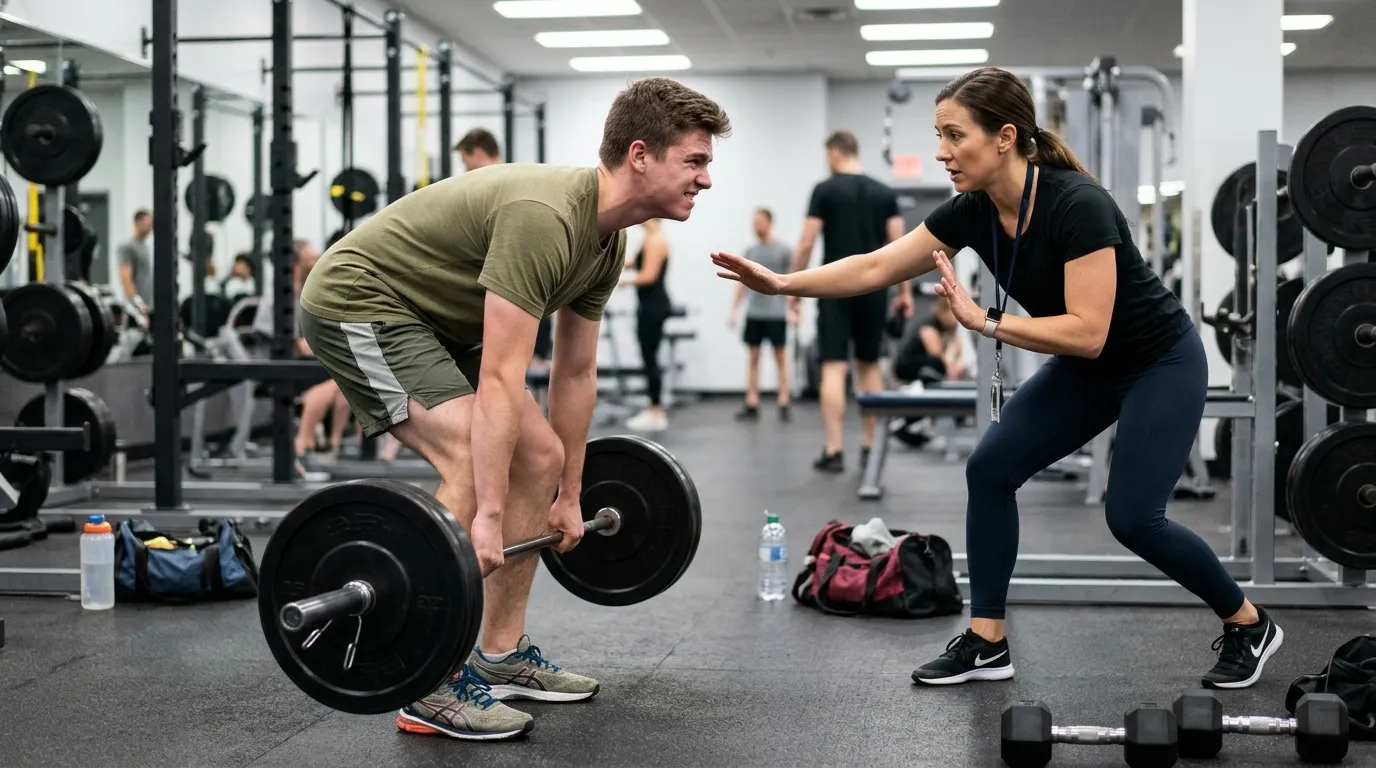
While cardiovascular exercise often receives primary attention for heart health, strength training (also known as resistance training) is an equally essential pillar of long-term physical well-being. Far beyond building muscle aesthetics or athletic performance, lifting weights, working with resistance bands, or engaging in bodyweight calisthenics triggers profound systemic adaptations that protect your metabolic health, structural integrity, and longevity.
Here are eight evidence-backed benefits of incorporating consistent strength training into your weekly routine.
1. Increases Bone Mineral Density and Combats Osteoporosis
As a weight-bearing stimulus, resistance training applies mechanical tension and compressive forces to your skeleton. In response, osteoblasts (bone-forming cells) build denser, stronger bone tissue. This is critical for preventing age-related bone mineral loss and reducing the long-term risk of osteopenia and osteoporosis.
2. Boosts Resting Metabolic Rate (RMR)
Muscle tissue is metabolically active, requiring more energy at rest to maintain itself than adipose (fat) tissue. By building and preserving lean muscle mass through strength training, you elevate your baseline daily caloric expenditure. Additionally, intense resistance workouts trigger excess post-exercise oxygen consumption (EPOC), keeping your metabolism elevated during recovery.
3. Improves Insulin Sensitivity and Blood Sugar Regulation
Skeletal muscle acts as the primary sink for glucose disposal in the human body. When you perform resistance training, muscle contractions stimulate glucose transporter proteins (like GLUT4) to pull glucose out of your bloodstream independent of insulin. This significantly improves insulin sensitivity and assists in long-term metabolic health.
4. Enhances Joint Stability and Reduces Injury Risk
Strength training strengthens not only your muscles but also the tendons, ligaments, and connective tissues surrounding your joints. Developing robust muscular support around vulnerable areas—such as the knees, lower back, and shoulders—absorbs physical impact, corrects postural imbalances, and protects against common musculoskeletal injuries.
5. Supports Cardiovascular Health and Blood Pressure Regulation
While aerobic exercise is a staple for heart health, clinical research shows that moderate-intensity resistance training helps improve vascular compliance, lowers resting blood pressure, and supports healthy lipid profiles by reducing LDL cholesterol and triglycerides over time.
6. Promotes Functional Independence and Fights Sarcopenia
Starting around age 30, adults naturally begin experiencing a gradual loss of muscle mass and strength, a condition known as sarcopenia. Regular resistance training counteracts this decline, preserving physical strength, balance, coordination, and functional independence well into later life.
7. Elevates Mental Health, Mood, and Cognitive Function
Lifting weights stimulates the release of endorphins, dopamine, and serotonin, which help alleviate symptoms of anxiety and depression. Furthermore, clinical studies indicate that resistance training enhances neuroplasticity, executive functioning, and memory retention by increasing cerebral blood flow and growth factors like BDNF.
8. Improves Body Composition and Physical Resilience
Rather than focusing solely on scale weight, strength training reshapes body composition by simultaneously reducing body fat and building lean tissue. This creates a stronger, more resilient physique capable of handling everyday physical demands with ease.
Comparison of Resistance Training Variables by Goal
| Training Goal | Repetition Range | Intensity (% of 1RM) | Rest Interval | Primary Physiological Adaptation |
|---|---|---|---|---|
| Maximum Strength | 1 – 6 reps | 85% – 100% | 2 – 5 minutes | Neuromuscular recruitment and maximal force output |
| Muscle Hypertrophy (Growth) | 8 – 12 reps | 60% – 80% | 60 – 90 seconds | Mechanical tension and muscle fiber enlargement |
| Muscular Endurance | 15+ reps | < 60% | 30 – 45 seconds | Capillary density and fatigue resistance |
Step-by-Step Framework to Start Strength Training
- Commit to 2 to 3 Sessions Weekly: For beginners, performing two to three full-body strength sessions per week (allowing at least 48 hours of recovery between sessions) provides an optimal stimulus for adaptation.
- Focus on Compound Movements: Prioritize multi-joint compound exercises that recruit multiple muscle groups simultaneously, such as squats, deadlifts, push-ups, overhead presses, and rows.
- Apply Progressive Overload: To continue making progress, gradually increase the challenge over time—either by adding weight, increasing repetitions, improving your range of motion, or slowing down your tempo.
- Prioritize Recovery and Protein: Muscle tissue repairs and grows outside the gym. Ensure you get 7 to 9 hours of quality sleep and consume adequate daily protein to support tissue synthesis.
Frequently Asked Questions (FAQ)
Do I need a gym membership to start strength training? Not at all. While free weights and gym machines offer precise load adjustments, bodyweight exercises (such as push-ups, lunges, and bodyweight squats) and resistance bands provide an excellent, accessible starting point for building strength at home.
Will strength training make women "bulky"? No. Women possess significantly lower baseline circulating testosterone levels than men, making massive muscle hypertrophy exceptionally difficult to achieve without deliberate, intensive, long-term hyper-caloric nutrition and specialized bodybuilding regimens. Instead, strength training produces a lean, toned, and strong physique.
How long before I see noticeable strength gains? Initial strength improvements within the first 2 to 4 weeks are primarily neurological, as your brain learns to recruit muscle fibers more efficiently. Visible changes in muscle tone, body composition, and physical endurance typically become noticeable around 6 to 8 weeks of consistent training.
Sources & Further Reference
- American College of Sports Medicine (ACSM) – Progression Models in Resistance Training for Healthy Adults
- Harvard T.H. Chan School of Public Health – The Benefits of Strength Training for Long-Term Health
- Journal of Strength and Conditioning Research – Effects of Resistance Exercise on Bone Mineral Density and Metabolic Health