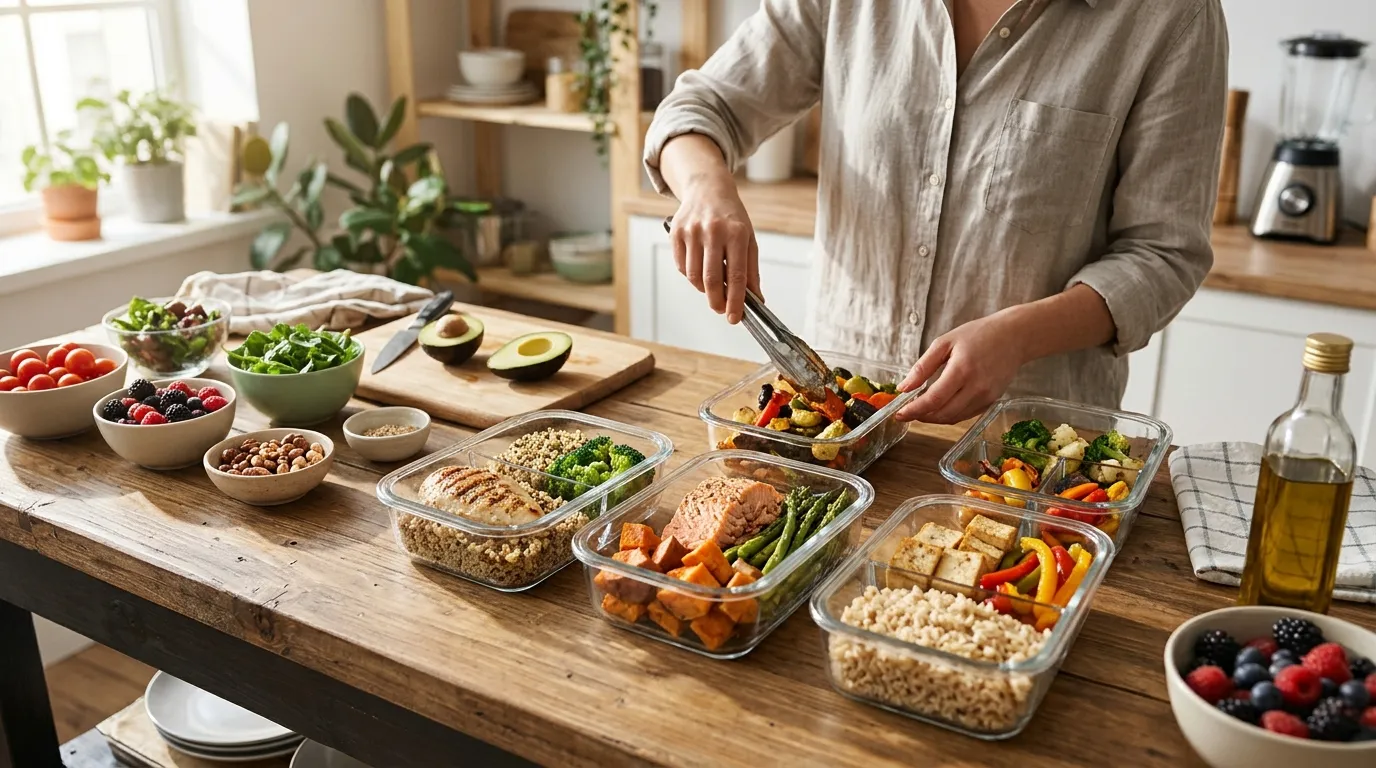
Establishing a consistent, balanced meal plan is one of the most effective ways to remove daily decision fatigue, support your metabolic and physical health, and ensure your body receives adequate macronutrients and micronutrients. Rather than relying on rigid, restrictive diets, a sustainable nutrition plan focuses on flexible frameworks built around whole foods, proper portion proportions, and enjoyable flavors.
This comprehensive guide breaks down the core principles, macronutrient structures, and step-by-step workflows required to design a balanced weekly meal plan from scratch.
Part 1: The Foundations of a Balanced Plate
A nutritionally complete meal does not require complex culinary mathematics. By utilizing visual plate proportions popularized by nutritional science, you can easily balance every lunch and dinner:
- Fiber-Rich Vegetables (50% of the Plate): Fill half your plate with non-starchy vegetables (such as leafy greens, broccoli, bell peppers, zucchini, or asparagus). These provide essential dietary fiber, vitamins, minerals, and high water volume to support satiety and digestive health.
- Quality Protein (25% of the Plate): Dedicate a quarter of your plate to complete protein sources (such as poultry, lean beef, fish, eggs, tofu, tempeh, or legumes) to support muscle repair, enzyme synthesis, and sustained fullness.
- Complex Carbohydrates (25% of the Plate): Fill the final quarter with slow-digesting complex carbohydrates (such as quinoa, brown rice, sweet potatoes, oats, or whole-grain bread) to fuel daily energy needs and replenish glycogen stores.
- Healthy Fats (As Accompanying Lipids): Incorporate healthy fats—such as olive oil, avocado, nuts, seeds, or fatty fish—in moderate portions for hormone regulation, cellular health, and fat-soluble vitamin absorption.
Part 2: Step-by-Step Framework to Build Your Meal Plan
Step 1: Audit Your Schedule and Nutritional Goals
Determine how many meals you need to prepare for the upcoming week based on your work schedule, social commitments, and training intensity. Align your total calorie and macronutrient targets with your specific goals (fat loss, maintenance, or muscle gain).
Step 2: Establish a Repeatable Meal Architecture
To simplify grocery shopping and prep time, do not reinvent every meal. Design a template where breakfast, lunch, and dinner follow predictable, easy-to-rotate patterns:
- Breakfast Options: Rotate between two favorite high-protein options (e.g., overnight oats with Greek yogurt and berries, or a vegetable and egg scramble with whole-grain toast).
- Lunch Options: Focus on versatile grain bowls or prepped protein salads that assemble quickly.
- Dinner Options: Create 3 to 4 core dinner recipes that share overlapping ingredients (e.g., roasted sheet-pan chicken and vegetables).
Step 3: Build a Consolidated Grocery List
Organize your ingredients by supermarket section (produce, proteins, pantry, dairy) to streamline your shopping trip and prevent impulse purchases.
Step 4: Batch Prep Core Components
Dedicate 1.5 to 2 hours on your designated prep day to cook staple ingredients—such as roasting bulk vegetables, boiling grains, and grilling proteins—so you can quickly assemble fresh meals throughout the week.
Comparison of Meal Planning Strategies
| Planning Style | Time Commitment | Flexibility | Best Suited For |
|---|---|---|---|
| Fully Structured Plans | High (Advance Prep) | Low (Strict menu) | Strict calorie/macro trackers and beginners seeking structure |
| Component Prep (Mix & Match) | Moderate | High (Endless combinations) | Busy professionals who get bored easily with routine |
| Batch Cooking | Low to Moderate | Moderate | Families and individuals looking to minimize daily cooking |
Frequently Asked Questions (FAQ)
Do I need to track macros and calories to eat a balanced diet? No. While tracking provides precise quantitative feedback, building meals around the 50-25-25 plate proportion rule (vegetables, proteins, complex carbs) naturally regulates energy intake and nutrient density without requiring tedious daily logging.
How can I keep healthy meal prep interesting throughout the week? The secret to avoiding meal fatigue is changing the seasonings, sauces, and dressings rather than the base ingredients. A neutral base of roasted chicken and sweet potatoes can transform into a Mediterranean bowl with tzatziki, or a Mexican-inspired bowl with salsa and cilantro.
What is the best way to handle eating out or social events while meal planning? Build flexibility directly into your weekly plan. If you know you have dinner plans on Friday night, plan for a lighter lunch or leave one dinner slot open. Sustainable nutrition allows for social enjoyment without disrupting your overall baseline habits.
Sources & Further Reference
- Harvard T.H. Chan School of Public Health – The Healthy Eating Plate Guidelines
- Academy of Nutrition and Dietetics – Healthy Meal Planning and Nutrition Fundamentals
- World Health Organization (WHO) – Healthy Diet and Nutritional Science Fact Sheets