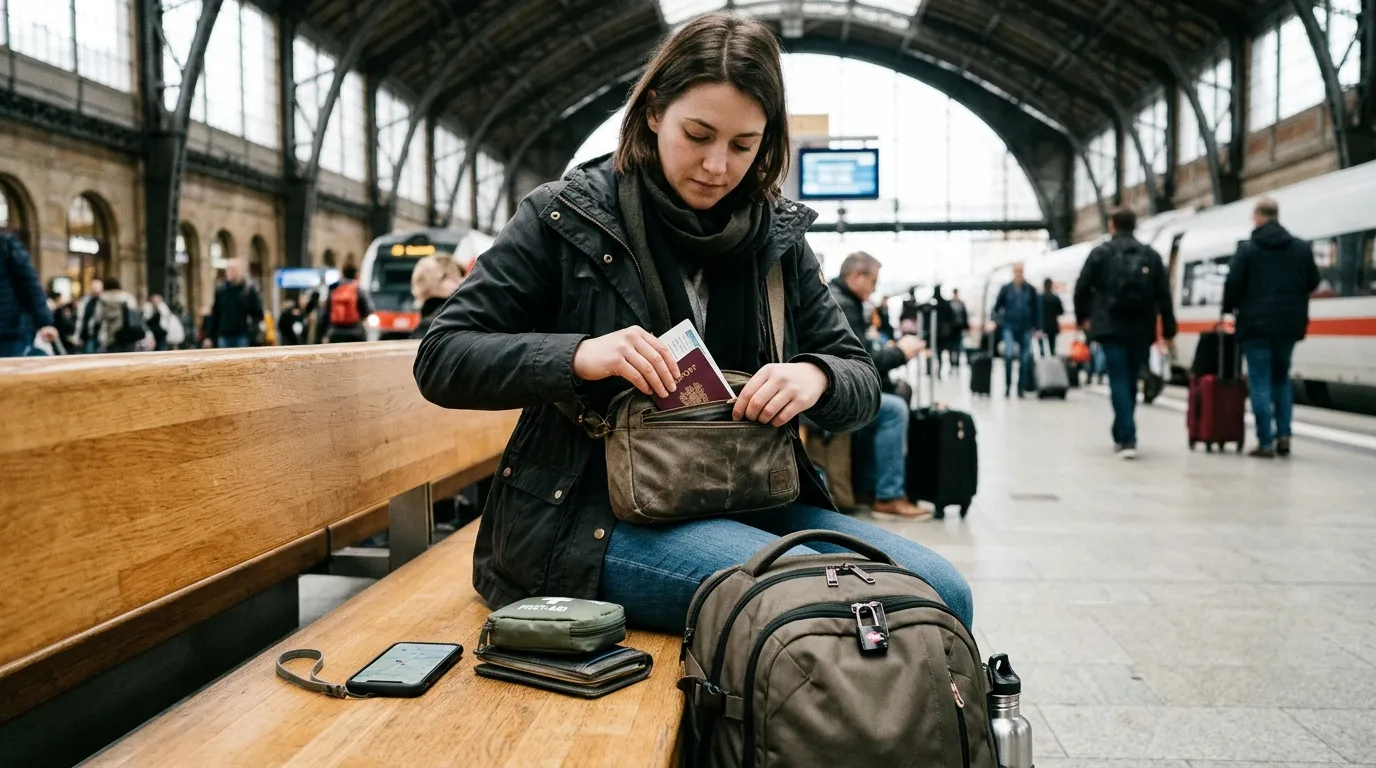
International travel offers extraordinary opportunities for personal discovery, cultural immersion, and unforgettable experiences. However, navigating unfamiliar cities, transportation networks, and foreign legal systems introduces unique risks. True travel confidence comes not from luck, but from preparation, situational awareness, and robust safety protocols.
Traveling safely does not require living in fear or locking yourself in a hotel room; rather, it is about implementing smart, proactive habits that minimize vulnerabilities and protect you against common travel disruptions.
Phase 1: Pre-Departure Preparation and Digital Security
Safety begins long before you board your flight. Preparing your digital footprint and physical documents beforehand prevents cascading crises if things go wrong abroad.
- Digitize and Encrypt Critical Documents: Scan your passport photo page, visa stamps, travel insurance policy, and emergency contact numbers. Store them in a secure, encrypted cloud storage service (such as Proton Drive or Google Drive with two-factor authentication) so you can access them from any internet-connected device if your physical bag is stolen.
- Enroll in Government Traveler Programs: If you are a U.S. citizen, enroll in the Smart Traveler Enrollment Program (STEP) via the Department of State to receive real-time security updates and allow local embassies to locate you during an emergency.
- Notify Your Financial Institutions: While modern fraud detection systems are sophisticated, alerting your banks to your travel dates and destination prevents sudden credit card freezes when foreign transactions post.
- Secure Universal Health Insurance: Standard domestic health plans rarely cover international medical emergencies or medical repatriation. Purchase comprehensive travel medical insurance that covers hospitalization, emergency evacuation, and unexpected care.
Phase 2: Safeguarding Personal Belongings in Transit
Pickpocketing, luggage tampering, and tourist scams are the most common friction points international travelers encounter. Maintaining low visibility as a target deters opportunistic theft.
- Ditch the "Tourist Uniform": Avoid wearing expensive flashy jewelry, oversized cameras around your neck, or tourist lanyards in crowded public spaces. Dressing casually and blending in with local commuters significantly reduces your target profile.
- Secure Your Valuables: Utilize a slim anti-theft neck pouch or money belt worn underneath your clothing to hold your primary passport, emergency cash, and backup credit card. Keep your day-to-day wallet in a front pocket with a secure zipper.
- Never Leave Bags Unattended: In train stations, airports, or cafes, never loop your backpack strap over the back of a chair where it can be unzipped or snatched without your notice. Keep luggage touching your foot or leg at all times.
- Beware of Distraction Scams: Be cautious of strangers approaching you with spilled mustard or coffee on your jacket, unsolicited help with train ticket kiosks, or petition-signing distractions. These are classic diversions used by pickpockets working in tandem.
Phase 3: Accommodation and Urban Navigation Safety
Where you sleep and how you move through a foreign city dictate a large portion of your overall safety profile.
- Verify Accommodation Security: When booking hotels or rentals, verify that ground-floor windows feature secure locks, that room doors have functional deadbolts and peepholes, and that the surrounding neighborhood is well-lit and accessible at night.
- Use Verified Transportation: Avoid unmetered street taxis hailed randomly at airports or train stations at night. Instead, use reputable ride-sharing apps (such as Uber or local equivalents like Grab/Bolt) where routes are digitally tracked, or arrange official airport transfers through your accommodation.
- Share Your Live Itinerary: Share your daily travel plans and accommodation details with a trusted friend or family member back home, and check in periodically.
- Trust Your Intuition: If a dark alleyway, an empty subway car, or a situation with a vendor feels uncomfortable or unsafe, excuse yourself immediately. Social politeness is never more important than your personal safety.
Comparison of Emergency Communication Strategies
| Strategy | How It Works | Best Used For |
|---|---|---|
| Local eSIM Data Plan | Installing a digital data eSIM (e.g., Airalo or local carrier) immediately upon landing to maintain continuous 4G/5G connectivity. | Real-time navigation, translating languages, and accessing ride-shares instantly. |
| Encrypted Offline Maps | Downloading offline regional maps via Google Maps or Maps.me before leaving your hotel Wi-Fi. | Navigating safely when cellular data drops or in remote areas without signal. |
| Physical Emergency Card | Carrying a laminated card in your wallet with local emergency numbers, your hotel address, and blood type written in the local language. | Communicating quickly with local police or medical staff if your phone battery dies. |
Step-by-Step Emergency Action Plan
- In Case of Passport Loss: Contact your home country’s nearest embassy or consulate immediately. They can verify your citizenship and issue an emergency replacement passport so you can board your return flight.
- In Case of Card Theft: Open your banking mobile apps instantly to freeze or cancel compromised debit and credit cards. Rely on your secure backup card stored separately in your hotel safe.
- In Case of Minor Medical Issues: Contact your international health insurance provider’s 24/7 hotline. They will direct you to pre-vetted, English-speaking private clinics or hospitals that meet Western medical standards.
- Local Emergency Numbers: Familiarize yourself with the destination's local emergency response numbers (e.g., 112 in Europe, 911 in North America, 000 in Australia) before exploring a new city.
Frequently Asked Questions (FAQ)
Should I carry my physical passport with me everywhere I go? In most countries, legal requirements dictate that foreigners must carry valid identification at all times. However, carrying your actual passport exposes you to the risk of total loss if your bag is stolen. Many travelers carry a certified color photocopy or passport card (if applicable) for daily use, leaving the original physical passport locked in their hotel room safe.
How do I avoid common tourist scams? Research common local scams for your specific destination on travel advisory forums before you go. As a general rule, if someone approaches you offering unsolicited help, free gifts (like friendship bracelets), or remarkably cheap tours, politely decline and walk away with confidence.
Is it safe to use public Wi-Fi in cafes and airports? Public Wi-Fi networks are notoriously vulnerable to snooping and man-in-the-middle attacks. Always use a reputable Virtual Private Network (VPN) when connecting to public networks, or rely on your secure mobile data eSIM hotspot for sensitive activities like online banking.
What should I do if local police stop me and ask for a bribe? Remain calm, polite, and cooperative. Ask politely to see official identification or request to handle the matter at the nearest police station. Never become aggressive, but avoid paying informal cash bribes on the street if you have committed no actual infraction.
Sources & Further Reference
- U.S. Department of State – Traveler's Checklist and Global Safety Guidelines
- Centers for Disease Control and Prevention (CDC) – Traveler's Health Advisories and Safety Precautions
- International SOS – Global Risk Management and Travel Security Standards
Disclaimer: This article is intended for general educational and informational purposes only and does not constitute professional security, legal, or emergency crisis consulting advice. Global safety conditions vary by region; always check current official government travel advisories before departing.