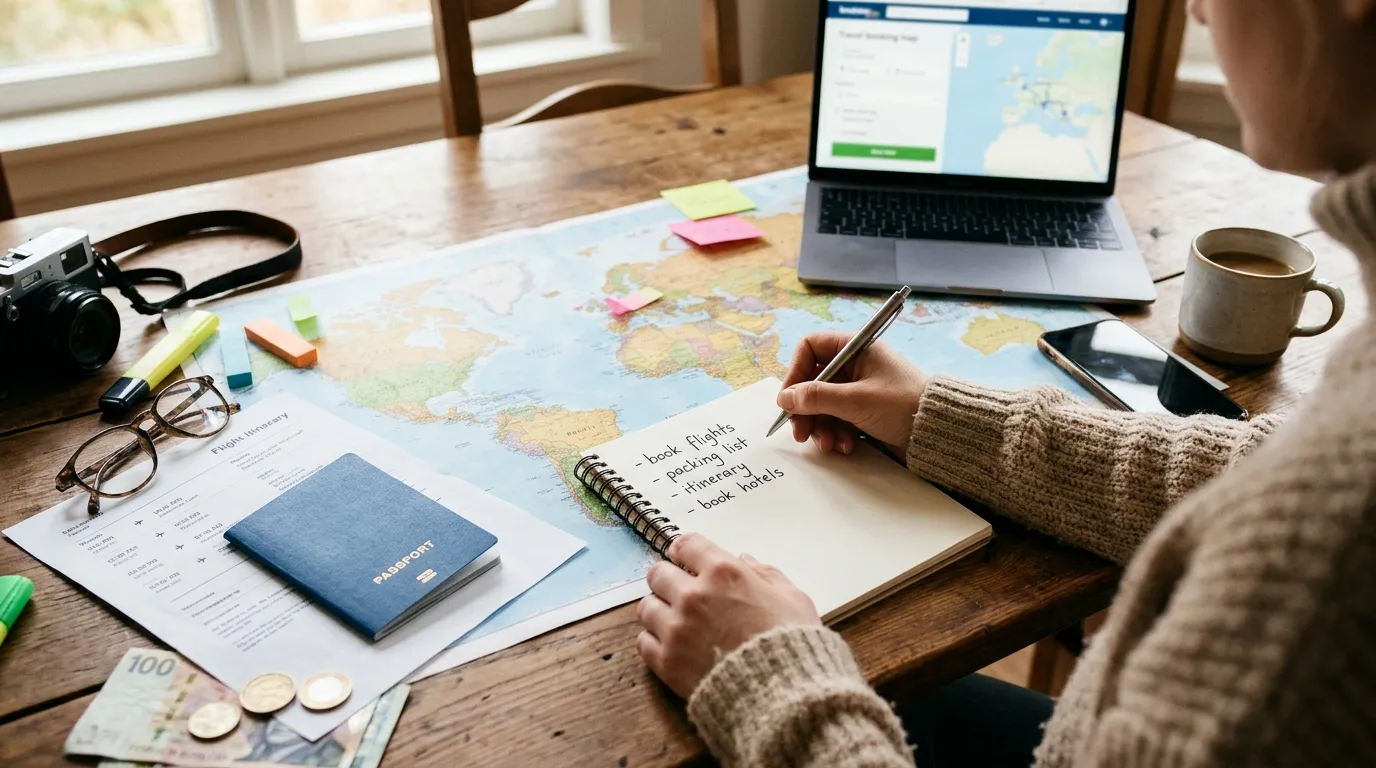
Planning your first international trip can feel both exhilarating and overwhelming. Between coordinating passport validity, securing flights, booking accommodations, and managing foreign currencies, there are many moving parts to balance.
However, breaking the process down into a structured, chronological timeline transforms an intimidating undertaking into a series of manageable steps. This comprehensive guide walks you through every phase of planning an international journey from scratch.
Phase 1: 6 to 9 Months Before Departure — The Foundation
The earliest planning phase focuses on legal compliance, destination selection, and high-level budgeting. Getting these right early prevents costly mistakes later.
- Audit Your Passport: Check your passport expiration date immediately. Most international destinations require your passport to be valid for at least six to nine months beyond your planned return date. If it expires sooner, submit for a renewal right away.
- Research Visa and Entry Requirements: Check official government travel portals or immigration databases to determine if your destination requires a formal embassy visa, an electronic travel authorization (like an eTA or ESTA), or specific vaccination certificates (such as a Yellow Fever card).
- Establish a Rough Budget: Determine your overall financial ceiling for the trip. Factor in flights, accommodation, daily food allowances, local transit, activities, and an essential 10% to 15% emergency contingency buffer.
- Select Your Destination and Season: Research your target destination's weather patterns, peak tourist seasons, and shoulder seasons. Traveling during the shoulder season (the transition months between peak and off-peak) often yields cheaper flights and fewer crowds.
Phase 2: 3 to 5 Months Before Departure — Logistics and Booking
With your dates and destination locked in, it is time to secure the core structural elements of your itinerary.
- Book International Flights: This is generally the optimal window to secure the best pricing for long-haul international airfare. Use flight aggregators (such as Google Flights or Skyscanner) to compare routes, and always book directly through the airline when possible.
- Reserve Accommodation: Secure your lodging (hotels, aparthotels, or vacation rentals) with a focus on central locations near public transit hubs. Always choose refundable booking rates in case your itinerary needs to adjust.
- Map Your Itinerary Framework: Outline the cities you will visit and how you will travel between them (e.g., high-speed trains, regional flights, or rental cars). Book major cross-country transport or high-demand ticketed excursions (like museums or historic sites) well in advance.
- Check Healthcare and Vaccinations: Visit a travel clinic or consult health advisories to see if routine boosters or destination-specific immunizations (such as typhoid or hepatitis vaccines) are recommended.
Phase 3: 1 to 2 Months Before Departure — Preparation and Finance
As departure approaches, focus shifts to digital security, packing strategies, and financial management abroad.
- Notify Banks and Secure Zero-Fee Cards: Ensure you carry at least two independent credit or debit cards that do not charge foreign transaction fees. Check your banking apps to confirm international usage is enabled.
- Purchase Travel Insurance: Protect your investment by purchasing comprehensive travel medical insurance that covers emergency medical treatment, hospitalizations, trip cancellations, and medical evacuation.
- Digitize Critical Documents: Scan your passport photo page, visa approvals, travel insurance policy, and flight bookings, saving them securely in encrypted cloud storage (or emailing them to yourself).
- Organize Your Packing List: Tailor your luggage to your destination's climate using a cohesive capsule wardrobe framework to keep your bags light and versatile.
Phase 4: 1 to 2 Weeks Before Departure — Final Details
The final countdown is about tying up loose ends and ensuring your digital and physical readiness.
- Confirm All Reservations: Double-check your flight times, hotel bookings, airport transfers, and tour tickets, printing physical copies or saving offline digital access on your phone.
- Set Up Communication: Purchase a local eSIM data plan or check your mobile carrier's international roaming packages to ensure you have cellular data the moment you land.
- Prepare a Mini First-Aid Kit: Pack essential prescription medications in their original pharmacy bottles, along with basic over-the-counter pain relievers, motion sickness tablets, and adhesive bandages.
- Pack Your Carry-On Wisely: Always keep your passport, visas, medications, cash, credit cards, electronics (laptop, phone, charger, power bank), and one complete change of clothes in your carry-on bag.
International Travel Preparation Checklist
| Timeline Milestone | Core Action Items | Priority Objective |
|---|---|---|
| 6–9 Months Out | Check passport validity, research visa rules, set budget. | Ensure legal eligibility to travel. |
| 3–5 Months Out | Book international flights, reserve accommodation, map transit. | Lock in core pricing and availability. |
| 1–2 Months Out | Buy travel insurance, secure zero-fee cards, digitize documents. | Mitigate financial and medical risks. |
| 1–2 Weeks Out | Confirm bookings, set up eSIM, pack carry-on essentials. | Eliminate last-minute logistical friction. |
Frequently Asked Questions (FAQ)
Should I exchange currency at my home bank before leaving? Generally, no. Carrying large amounts of physical cash is risky and offers poor exchange rates. It is almost always more cost-effective and convenient to withdraw local currency directly from a fee-free bank ATM upon arrival at your destination airport.
How do I handle language barriers if I don't speak the local language? Download offline translation packs (such as Google Translate) for your destination language before you leave. Additionally, downloading offline regional maps (via Google Maps or Maps.me) ensures you can navigate local transit even if you lose cellular data.
What is the best way to prevent jet lag? Begin adjusting your sleep schedule by 30 to 60 minutes closer to your destination's time zone a few days before departure. Once you arrive, get outside into natural sunlight immediately, stay well-hydrated, and avoid heavy napping on your first day.
Is it necessary to print physical copies of my travel documents? Yes. While digital copies stored on your smartphone are convenient, phone batteries die, screens crack, and cellular networks fail. Having a dedicated folder containing printed copies of your passport, visas, insurance policy, and hotel bookings acts as an infallible backup.
Sources & Further Reference
- U.S. Department of State – Smart Traveler Enrollment Program (STEP) and International Planning Guide
- Centers for Disease Control and Prevention (CDC) – Traveler's Health Guidance and Immunization Recommendations
- Consumer Financial Protection Bureau (CFPB) – Financial Safety Tips for International Travel
Disclaimer: This article is intended for general educational and informational purposes only and does not constitute professional travel agency, legal, or financial consulting advice. Global entry requirements and visa policies change frequently; always verify official rules through government embassies or consulates prior to departure.