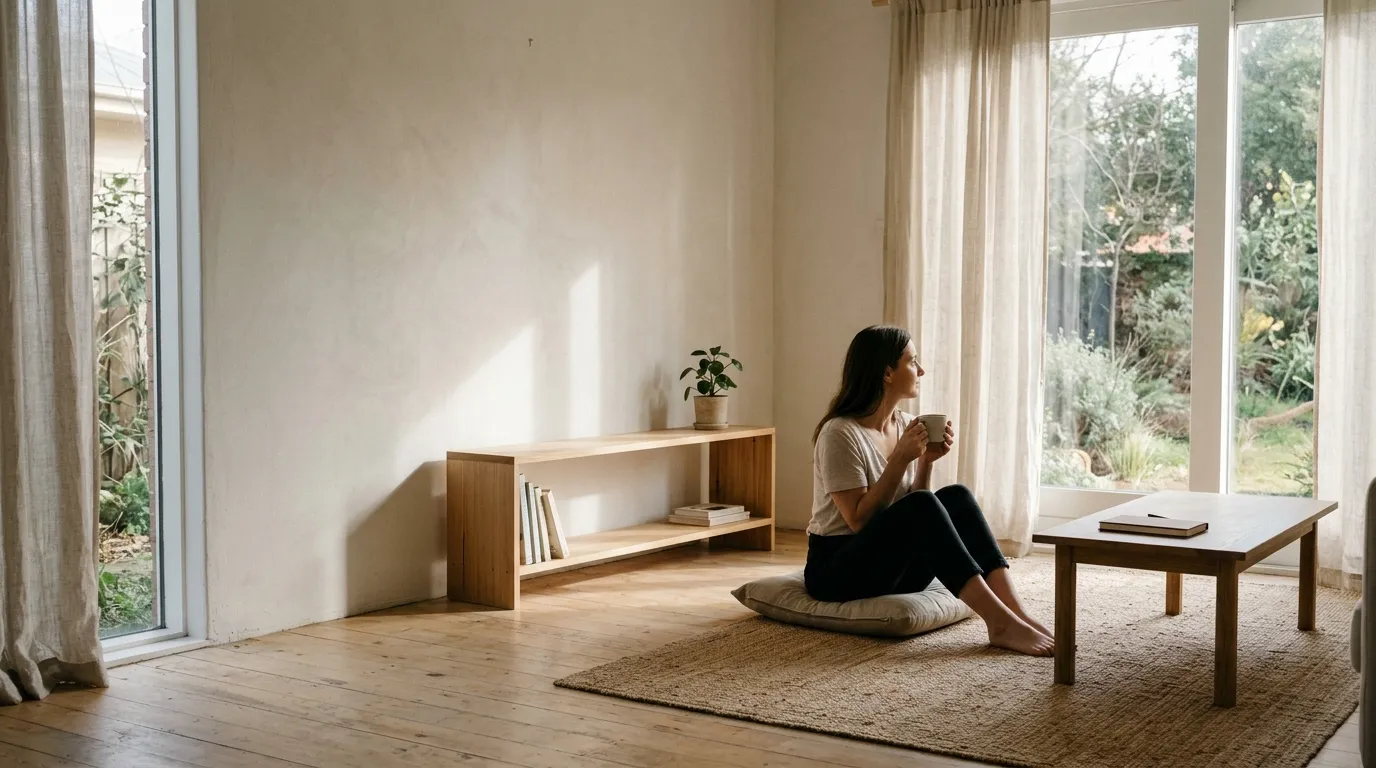
In a culture that constantly equates more with better, modern life often feels cluttered. Between overflowing closets, endless digital notifications, and packed daily calendars, physical and mental space have become scarce commodities. Minimalism offers an intentional counter-response to this fatigue—not as a rigid aesthetic or a sterile white room, but as a deliberate tool to strip away the non-essential and reclaim your time, attention, and peace of mind.
Minimalism is not about deprivation or living with nothing; it is about making room for what actually matters.
What Is Minimalism and Why Does It Matter?
At its core, minimalism is the intentional promotion of the things we most value and the removal of everything that distracts us from them.
Embracing a minimalist mindset delivers profound tangible benefits:
- Drastically Reduced Stress: Physical clutter creates visual noise that overstimulates the brain, contributing to chronic background anxiety. A tidy, intentional environment fosters mental clarity.
- Reclaimed Time and Freedom: When you own fewer things, you spend less time cleaning, organizing, repairing, and managing possessions, freeing up hours for experiences and personal growth.
- Financial Clarity: Shifting away from impulse shopping and consumerism naturally reduces monthly expenses, accelerating your savings and long-term financial goals.
The Three Pillars of Practical Minimalism
Applying minimalism to everyday life involves addressing three interconnected domains:
1. Physical Environment (Clearing the Clutter)
Your living and working spaces profoundly influence your focus and emotional well-being.
- The One-In, One-Out Rule: To prevent clutter from creeping back in, commit to removing an existing item whenever you bring a new physical possession into your home.
- Surface Minimalism: Keep countertops, desks, and floors entirely clear of miscellaneous items. When surfaces remain open, rooms instantly feel larger and calmer.
- Quality Over Quantity: When you do purchase physical goods, invest in durable, timeless pieces designed to last rather than disposable, trend-driven items.
2. Digital Minimalism (Unplugging the Noise)
Physical possessions are only half the battle; digital clutter is often a much heavier cognitive burden.
- Notification Triage: Disable push notifications for every app except direct human communication (calls and urgent messages). News alerts and social media pings should only be accessed intentionally.
- Digital Decluttering: Unsubscribe from mailing lists, delete unused mobile apps, organize computer files into clear archive structures, and unfollow social media accounts that drain your energy.
3. Time and Schedule Minimalism (Protecting Your Focus)
You can own very little and still live a chaotic, overwhelmed life if your calendar is chronically overbooked.
- The Power of "No": Treat your time as your most valuable asset. Decline commitments, meetings, and social obligations that do not align with your core values or personal goals.
- Single-Tasking: Stop multitasking. Focus entirely on one project or conversation at a time to complete tasks faster and with higher quality.
Comparison of Maximalist vs. Minimalist Mindsets
| Area of Life | Maximalist / Consumer Approach | Minimalist Intentional Approach |
|---|---|---|
| Shopping | Buying items because they are on sale or trendy; impulsive retail therapy. | Asking, "Does this add genuine, long-term value to my daily life?" |
| Environment | Maximizing storage units and filling every shelf with decor or backups. | Keeping only items used frequently or deeply cherished; wide open space. |
| Digital Life | Keeping hundreds of browser tabs open, unread emails in the thousands, endless apps. | Curating a clean digital workspace with zero notification badges and organized files. |
| Schedule | Filling every weekend and evening to avoid missing out (FOMO). | Guarding downtime fiercely as essential fuel for creativity and rest. |
Step-by-Step Guide to Starting Your Minimalist Journey
- Start with a Single Drawer or Surface: Do not attempt to minimalist your entire apartment in one weekend, which leads to fatigue and burnout. Begin with a single bathroom drawer, your nightstand, or your desktop.
- The 90/90 Rule for Physical Belongings: Pick up an item and ask yourself: Have I used this in the last 90 days? Will I use it in the next 90 days? If the answer is no, donate or recycle it without guilt.
- Audit Your Digital Footprint: Spend 15 minutes unsubscribing from junk emails and deleting apps you haven't opened in six months. Notice how much lighter your phone feels.
- Evaluate Your Commitments: Review your upcoming calendar. Identify one recurring commitment or obligation that drains your energy and explore how to step back from it.
Frequently Asked Questions (FAQ)
Does minimalism mean I have to live out of a backpack or own very few things? No. There is no magic number of possessions required to be a minimalist. Some minimalists own hundreds of books or specialized hobby gear because those items bring them deep, active value. Minimalism is subjective; it means keeping only what serves you and removing the excess.
How do I handle sentimental items I am afraid to let go of? Sentimental items are often the hardest to part with because we associate the object with the memory. Take a high-resolution photograph of the item (such as an old childhood drawing or trophy), write a brief note about why it mattered, and let the physical object go while preserving the memory.
Is minimalism expensive to adopt? Ironically, trying to "buy" a minimalist aesthetic (by purchasing expensive specialized storage bins or designer minimalist furniture) misses the point entirely. True minimalism costs zero dollars because its foundation is subtraction—getting rid of things rather than buying new ones.
How do I deal with family members or roommates who aren't minimalist? You cannot force minimalism on others. Focus exclusively on your own personal spaces (your closet, your desk, your digital devices). Lead by example through a calmer demeanor and a tidier shared environment, and let others adopt the philosophy at their own pace.
Sources & Further Reference
- National Institutes of Health (NIH) – Environmental Stress and Cognitive Load Studies
- American Psychological Association (APA) – The Psychological Impact of Materialism and Clutter
- Journal of Environmental Psychology – Home Environment and Subjective Well-Being
Disclaimer: This article is intended for general educational and informational purposes only and does not constitute professional psychological, organizational, or lifestyle coaching advice.