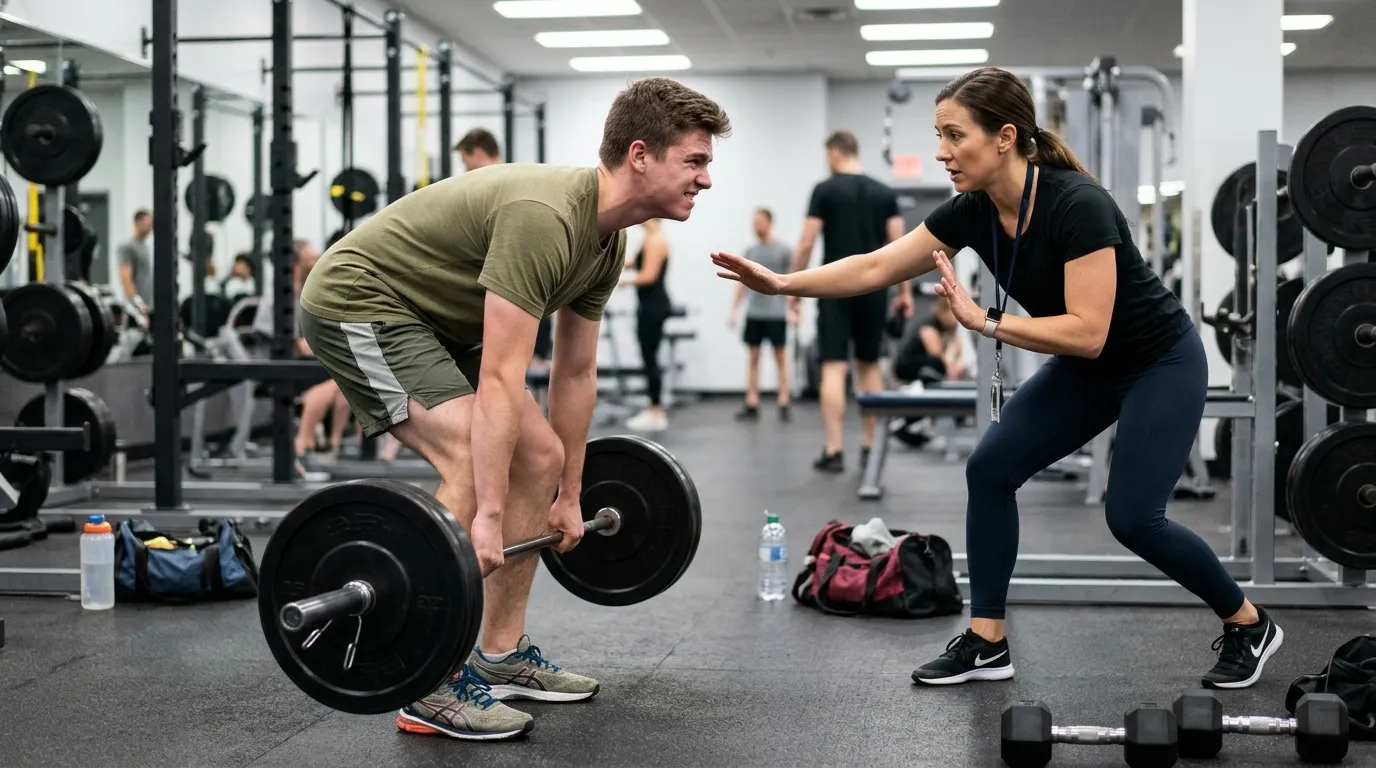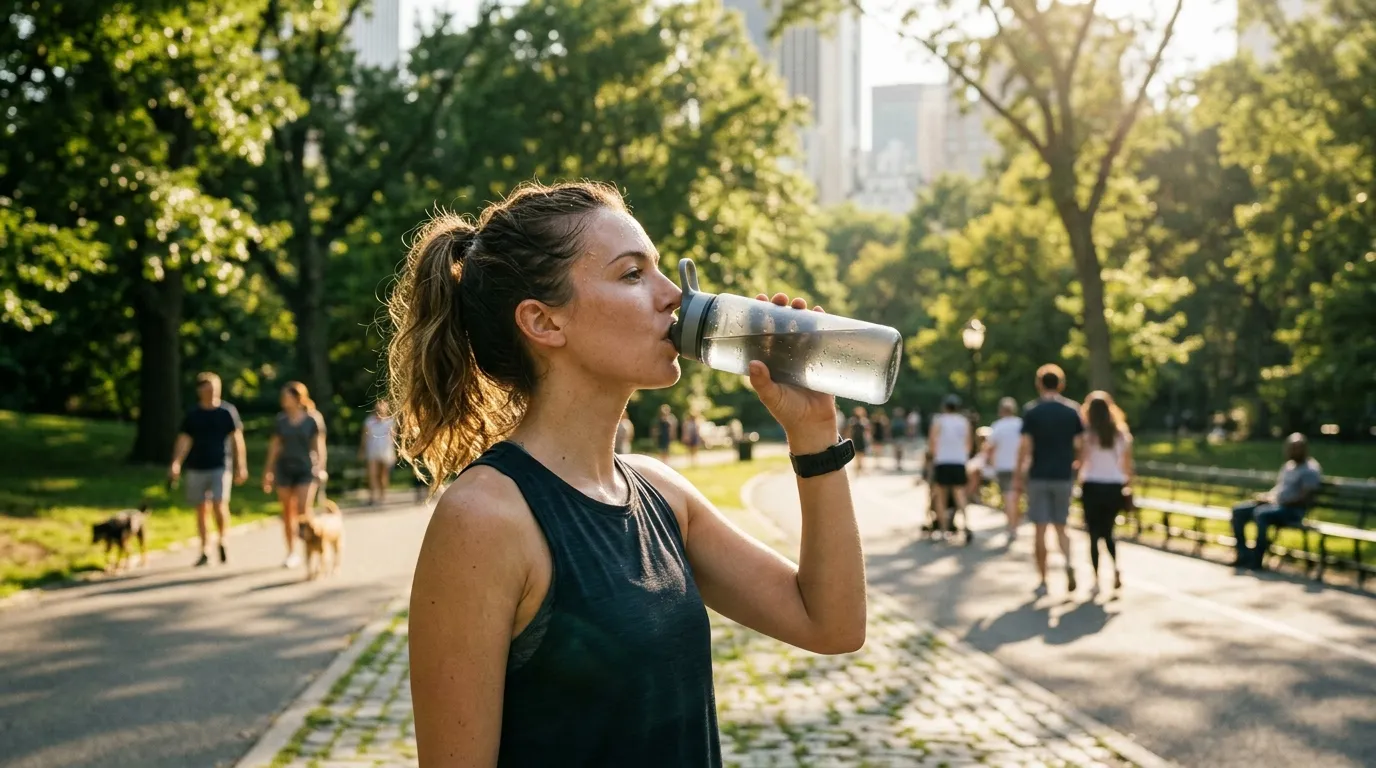
Water is essential for almost every function in the human body. It helps regulate body temperature, transport nutrients, support digestion, lubricate joints, and remove waste products. Despite its importance, hydration is something many people overlook until they feel thirsty, tired, or physically uncomfortable.
Staying hydrated is particularly important during exercise, when the body loses additional fluids through sweating. However, hydration is not only an athletic concern. Daily activities, environmental conditions, nutrition, and individual health factors all influence how much fluid your body needs.
Understanding how hydration works, recognizing the signs of dehydration, and developing consistent drinking habits can help support your overall health and physical performance. This guide explains why water matters, how to stay hydrated during exercise, and how to maintain healthy fluid intake throughout the day.
1. Why Is Hydration Important for the Human Body?
Water makes up a substantial proportion of the human body and is involved in many essential biological processes. Every organ and tissue depends on adequate fluid balance to function normally.
Some of the most important functions of water include:
Regulating body temperature: Your body releases heat through sweating. As sweat evaporates from the skin, it helps cool the body, particularly during physical activity and hot weather.
Supporting circulation: Water contributes to blood volume, allowing the cardiovascular system to transport oxygen and nutrients throughout the body.
Supporting digestion: Fluids help move food through the digestive system and support normal bowel movements.
Lubricating joints: Water is an important component of the fluid that helps reduce friction between joint surfaces.
Removing waste: The kidneys use water to produce urine and eliminate waste products from the body.
Maintaining normal cellular function: Water supports chemical reactions, nutrient transportation, and the balance of fluids inside and outside cells.
When fluid losses exceed fluid intake, these processes can become less efficient, particularly during prolonged exercise or exposure to heat.
2. Understanding Dehydration and Its Symptoms
Dehydration occurs when your body loses more fluid than it takes in. It can develop gradually throughout the day or more quickly during intense physical activity, illness, or exposure to high temperatures.
Recognizing the early signs can help prevent the condition from becoming more serious.
Common symptoms include:
- Increased thirst.
- Dry mouth and lips.
- Dark yellow urine.
- Urinating less frequently than usual.
- Headaches.
- Tiredness and reduced energy.
- Dizziness or lightheadedness.
During exercise, dehydration may also contribute to reduced endurance, increased perceived effort, and difficulty maintaining normal body temperature.
More serious dehydration can cause confusion, fainting, rapid heartbeat, and other significant symptoms. These require prompt medical attention.
It is also important to understand that thirst, urine color, and other everyday indicators are not perfect measurements of hydration status. Certain foods, medications, supplements, and medical conditions can affect urine color and fluid balance.
3. How Hydration Affects Exercise Performance
Physical activity increases the body's demand for fluids because working muscles produce heat and sweating helps regulate temperature.
When fluid losses become substantial, maintaining normal circulation and temperature regulation can become more difficult.
Energy and Endurance
Dehydration can increase cardiovascular strain and make physical activity feel more demanding. During prolonged exercise, this may affect endurance and the ability to maintain performance.
For example, someone running, cycling, or playing tennis in hot weather may experience greater fatigue if they lose significant amounts of fluid without replacing it.
Muscle Function
Muscles depend on appropriate fluid and electrolyte balance to contract and function normally. Significant fluid and electrolyte losses can contribute to weakness and impaired physical performance.
However, ordinary muscle cramps do not necessarily mean you are dehydrated. They can have several causes, including muscular fatigue and exercise intensity.
Temperature Regulation
Sweating is one of the body's main cooling mechanisms. When fluid losses become excessive, the ability to maintain normal temperature regulation may be compromised.
This is particularly important during outdoor activities, intense training, and exercise in hot or humid environments.
4. How Much Water Should You Drink Every Day?
There is no single daily water requirement that is appropriate for everyone.
Fluid needs vary according to age, body size, activity level, climate, diet, pregnancy status, and individual health circumstances.
A commonly mentioned guideline is six to eight glasses of fluid per day. The NHS uses this as a general starting point for most people, while emphasizing that additional fluids may be needed during exercise, illness, pregnancy, and hot weather.
It is also important to understand that daily water intake includes more than plain drinking water. Other beverages and moisture from foods contribute to total fluid intake.
Foods that contain considerable amounts of water include:
- Watermelon and oranges.
- Cucumbers and tomatoes.
- Lettuce and leafy vegetables.
- Strawberries and other berries.
- Soups and broths.
Instead of following a rigid water target, consider your activity level, environment, thirst, and other individual factors.
5. Hydration Before, During, and After Exercise
Developing a hydration routine around physical activity can help replace fluids lost through sweating.
Before Exercise
Begin physical activity in a normally hydrated state rather than waiting until you feel thirsty.
Drink fluids regularly throughout the day and consider having water with meals before training. If you exercise in hot conditions or expect a long session, pay particular attention to your fluid intake beforehand.
Avoid drinking an excessive amount immediately before exercise, as this may cause stomach discomfort.
During Exercise
For shorter, moderate exercise sessions, plain water is generally sufficient.
During longer or more intense activities, especially in hot weather, drink at intervals and adjust your intake according to your sweating rate, exercise intensity, and comfort.
Activities such as tennis, running, cycling, and outdoor sports can involve substantial fluid losses. Having access to drinking water makes it easier to replace some of the fluid lost during training.
Do not force yourself to drink large quantities simply because you are exercising. Excessive fluid consumption can also be dangerous.
After Exercise
After training, replace fluids lost through sweating and continue drinking according to thirst and your recovery needs.
For particularly demanding sessions, changes in body weight before and after exercise can help estimate fluid losses. However, this approach is most useful when measurements are taken under consistent conditions.
Eating a normal meal or snack also helps replace nutrients and electrolytes lost during activity.
6. Do You Need Sports Drinks or Electrolytes?
Water is sufficient for most everyday activities and many ordinary workouts. However, longer or more demanding exercise sessions may require additional attention to electrolyte replacement.
Electrolytes are minerals that carry electrical charges when dissolved in body fluids. Important examples include sodium, potassium, magnesium, and calcium.
They contribute to fluid balance, nerve signaling, and muscle function.
Sports drinks commonly contain water, carbohydrates, and electrolytes. They may be useful during prolonged, vigorous exercise or activities involving substantial sweating.
However, they are not necessary for everyone.
Consider the following differences:
Plain water: Suitable for everyday hydration and most shorter workouts.
Electrolyte drinks: May help replace sodium and other electrolytes during prolonged activity or substantial sweat loss.
Sports drinks containing carbohydrates: Can provide additional energy during extended endurance exercise.
Oral rehydration solutions: Specifically formulated to replace fluids and electrolytes, often used during dehydration caused by vomiting or diarrhea.
For everyday hydration, sports drinks may provide unnecessary added sugar and calories. Choose them according to your activity rather than assuming that every workout requires an electrolyte supplement.
7. Common Hydration Mistakes to Avoid
Even people who understand the importance of hydration can develop habits that make it harder to maintain appropriate fluid balance.
Waiting until you feel extremely thirsty: Thirst is useful, but it is better to maintain regular fluid intake, particularly during prolonged exercise and hot weather.
Drinking too much water at once: Large amounts consumed quickly may cause discomfort and, in extreme cases, dangerous reductions in blood sodium.
Ignoring environmental conditions: Heat, humidity, altitude, and prolonged outdoor activity can increase fluid requirements.
Relying entirely on sports drinks: Most people do not need specialized hydration products for ordinary daily activities.
Forgetting about food: Fruits, vegetables, soups, and other water-rich foods contribute to daily fluid intake.
Assuming every person needs the same amount: Individual requirements differ, so fixed targets should not replace consideration of personal circumstances.
8. Practical Ways to Stay Hydrated Throughout the Day
Maintaining hydration does not need to be complicated. A few consistent habits can make it easier to drink enough fluids.
- Start your day with water. Having a glass of water after waking can help establish a regular routine.
- Carry a reusable bottle. Keeping water nearby makes it easier to drink throughout the day.
- Drink with meals. Connecting water intake to breakfast, lunch, and dinner can help create consistency.
- Eat water-rich foods. Include fruits, vegetables, and soups in your meals.
- Increase fluids when necessary. Pay attention to additional losses during hot weather, physical activity, fever, vomiting, or diarrhea.
- Choose beverages thoughtfully. Water is an excellent everyday option, while sugary drinks should not become your main source of hydration.
The goal is to develop habits that fit naturally into your daily routine rather than forcing yourself to follow an unrealistic schedule.
Frequently Asked Questions
Is drinking eight glasses of water every day necessary?
Not necessarily. Six to eight glasses is a general guideline, not a universal requirement. Your needs depend on activity, climate, diet, body size, and individual circumstances.
Can you drink too much water?
Yes. Consuming excessive amounts of water, particularly over a short period, can dilute sodium in the blood and cause a condition called hyponatremia. This can be dangerous and, in severe cases, life-threatening.
Is water enough during exercise?
For most shorter and moderate workouts, yes. Longer, intense sessions or exercise in hot conditions may require additional carbohydrates and electrolytes, depending on individual fluid and sweat losses.
Does coffee count toward daily hydration?
Yes. Coffee and tea contribute to total fluid intake. However, people who are sensitive to caffeine should consider its effects on sleep and other aspects of health.
What is the best way to recognize dehydration?
Common signs include thirst, dry mouth, dark yellow urine, reduced urination, tiredness, and dizziness. Severe symptoms such as confusion or fainting require urgent medical attention.
Are electrolyte drinks necessary after every workout?
No. Most people can replace fluids and nutrients through water and ordinary meals after routine exercise. Electrolyte drinks are more relevant when activity is prolonged, intense, or associated with substantial sweating.
Disclaimer
This article is intended for general educational and informational purposes only. Hydration requirements vary depending on individual health, activity level, environment, and medical circumstances. People with kidney disease, heart conditions, or other conditions requiring fluid restrictions should follow advice from their healthcare professionals. Severe dehydration, confusion, fainting, or suspected heat illness requires prompt medical attention.
Sources
- Centers for Disease Control and Prevention – About Water and Healthier Drinks
- NHS – Water, Drinks and Hydration
- National Institutes of Health – Hydrating for Health
- American Heart Association – Staying Hydrated, Staying Healthy
- National Academies – Dietary Reference Intakes for Water
- British Nutrition Foundation – Hydration Information
Conclusion
Hydration plays an essential role in maintaining normal body functions, supporting physical activity, and regulating temperature. Although exercise increases fluid requirements, everyday habits are equally important for maintaining an appropriate fluid balance.
By drinking regularly, recognizing signs of dehydration, eating water-rich foods, and adjusting fluid intake to your activity and environment, you can develop a practical approach to hydration.
The most important principle is balance. Drinking too little can create problems, but consuming excessive amounts can also be harmful. Understanding your body's needs and making informed choices can help support your health and physical performance over time.