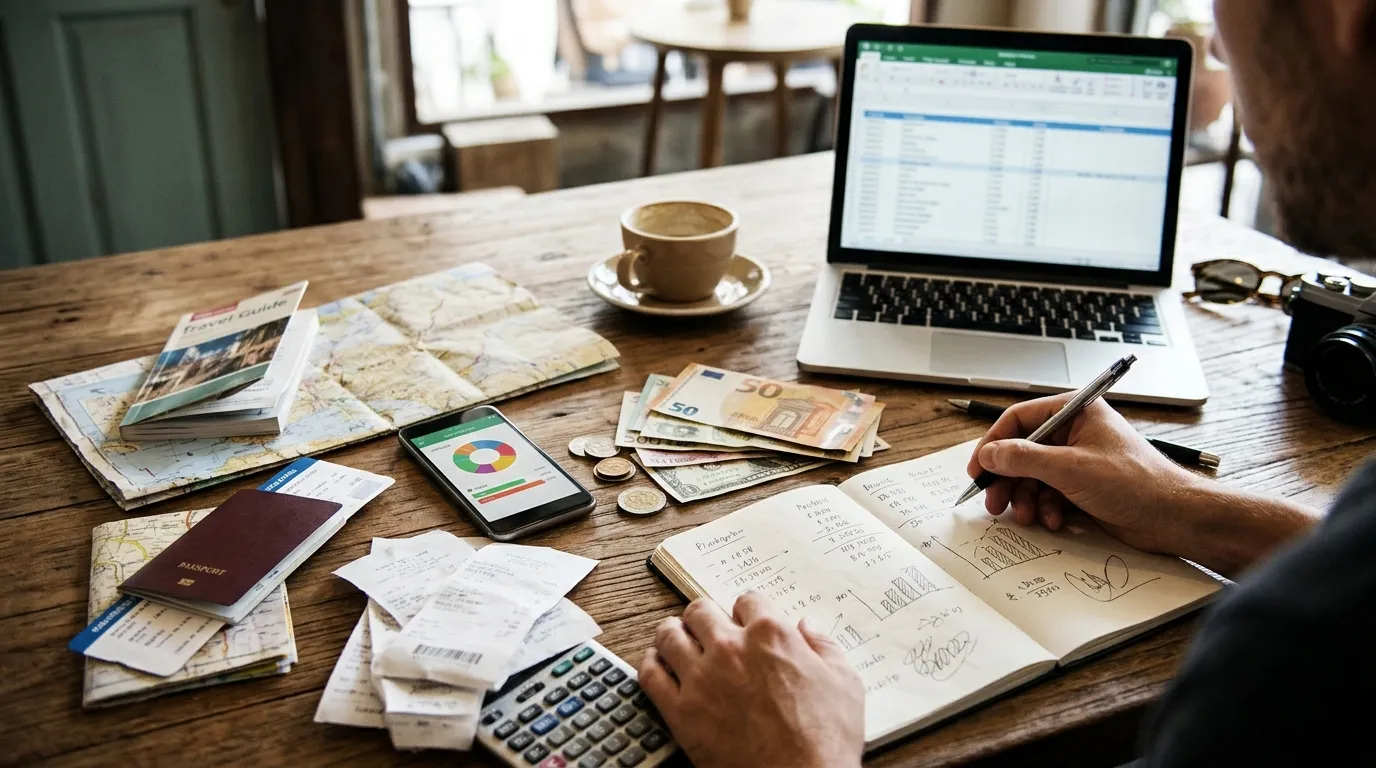
Traveling is one of the most rewarding investments in personal growth, but without a clear financial plan, costs can quickly spiral out of control. Exchange rate fluctuations, hidden foreign transaction fees, and unpredictable daily expenses can turn a dream vacation into a source of financial stress.
Creating a travel budget is not about restricting your experience; it is about allocating your funds intentionally so you can enjoy your trip with absolute peace of mind. Understanding how to estimate upfront costs, manage daily cash flow, and avoid unnecessary banking fees transforms international travel from an unpredictable expense into a structured, manageable investment.
Why a Travel Budget Matters
Approaching travel without a budget often leads to reactionary spending—swiping credit cards indiscriminately and facing a stressful financial recovery upon returning home.
Establishing a dedicated travel budget delivers critical advantages:
- Eliminating Post-Trip Financial Hangover: Knowing your exact total expenditure in advance ensures you return home without unexpected credit card debt or depleted emergency savings.
- Prioritizing What Matters Most: If you allocate more funds toward exceptional culinary experiences or guided excursions, you can consciously balance those splurges by choosing more economical lodging or transit options.
- Stress-Free Spending: When every dollar is assigned a purpose before departure, you can enjoy dinners out, excursions, and souvenirs without lingering guilt or anxiety.
Step 1: Estimating Your Core Travel Expenses
To build an accurate travel budget, divide your estimated costs into five primary categories:
- Transportation (Flights & Transit): International airfare, trains, regional domestic flights, rental cars, and public transit passes. Booking flights 2 to 4 months in advance generally secures optimal pricing.
- Accommodation: Hotels, vacation rentals, hostels, or traditional inns across every night of your itinerary. Factor in local city taxes and resort fees, which are often excluded from baseline booking rates.
- Food and Dining: Estimate your daily food expenditure based on your destination's cost of living. Include breakfast, lunches, dinners, morning coffee, and casual street food or snacks.
- Activities and Excursions: Pre-booked museum tickets, guided tours, adventure excursions, equipment rentals, and entrance fees for major attractions.
- The Contingency Buffer: Always set aside an extra 10% to 15% of your total budget exclusively for unexpected emergencies, medical needs, baggage fees, or transit delays.
Trip Expense Breakdown Reference Table
| Category | Expense Subcategory | Monthly Allocation Example |
|---|---|---|
| Accommodation & Lodging | Hotels & Rentals | $1,400 |
| Accommodation & Lodging | City Taxes & Resort Fees | $150 |
| Flights & Transportation | International Airfare | $900 |
| Flights & Transportation | Trains, Taxis, & Transit Passes | $300 |
| Food & Activities | Dining Out & Groceries | $600 |
| Food & Activities | Tours, Museum Tickets, & Gear | $250 |
| Total Planned Expenses | Combined Baseline | $3,600 |
Managing Expenses Abroad: Banking and Currency Best Practices
Navigating foreign currencies and payment methods requires planning to avoid losing money to unfavorable exchange rates and bank fees.
- Use No-Foreign-Transaction-Fee Credit Cards: Ensure your primary credit cards do not charge foreign transaction fees (which typically cost 3% per purchase). Always choose to be charged in the local currency if a card terminal asks whether you prefer your home currency (avoiding Dynamic Currency Conversion markup rates).
- Minimize ATM Fees with Global Accounts: Traditional bank ATMs often charge hefty out-of-network fees plus international withdrawal surcharges. Utilize multi-currency accounts or debit cards that reimburse ATM fees worldwide.
- Carry a Small Amount of Local Cash: While digital payments and contactless cards are universally accepted in most urban destinations, always carry a small amount of local physical cash for small street vendors, tipping, or public transit in areas with limited card infrastructure.
- Notify Your Bank: Although most modern banks rely on automated fraud detection rather than travel notices, checking your bank's mobile app settings to confirm international card status prevents unexpected security freezes.
Frequently Asked Questions (FAQ)
Should I exchange currency at the airport before I leave? Generally, no. Airport currency exchange booths and kiosks offer notoriously poor exchange rates and high service fees. It is almost always more cost-effective to withdraw local currency directly from a fee-free bank ATM upon arrival at your destination.
How much emergency cash should I keep hidden while traveling? It is wise to keep the equivalent of $100 to $200 USD in major global currency (or local cash) tucked away in a secure, separate compartment of your luggage or money belt as an emergency backup in case your cards are lost or temporarily blocked.
How do I track expenses while on the move? Use a dedicated travel expense-tracking mobile app (such as Splitwise for group trips or Trail Wallet for solo travel) to log purchases immediately in your home currency. Logging expenses daily prevents you from losing track of your remaining daily allowance.
Is travel insurance worth the expense? Yes. Comprehensive travel insurance covers unexpected medical emergencies abroad (which domestic health plans rarely cover), trip cancellations, lost luggage, and emergency evacuation, protecting your budget from catastrophic costs.
Sources & Further Reference
- Consumer Financial Protection Bureau (CFPB) – Tips for Using Credit and Debit Cards Abroad
- U.S. Department of State – Smart Traveler Enrollment Program (STEP) and Travel Safety Guidelines
- Federal Trade Commission (FTC) – Travel Scams and Financial Protection