Starting a new fitness routine is an exciting milestone, but the initial burst of enthusiasm can often lead to common pitfalls. Whether you are stepping into a weight room or building a home workout habit, avoiding early missteps will protect you from burnout and injury while keeping you on track toward your goals.
Here are the most common fitness mistakes beginners make and how to sidestep them.
1. Doing Too Much, Too Soon
- The Mistake: Transitioning from little or no exercise to training six or seven days a week, adding intense cardio on top of heavy lifting, or slashing calories simultaneously.
- The Impact: Extreme physical fatigue, debilitating muscle soreness, mental burnout, and an increased risk of acute injury.
- The Fix: Pace yourself. Start with two to three structured sessions per week, allowing your body adequate time to adapt to the new physical demands before ramping up volume or frequency.
2. Prioritizing Weight Over Technique
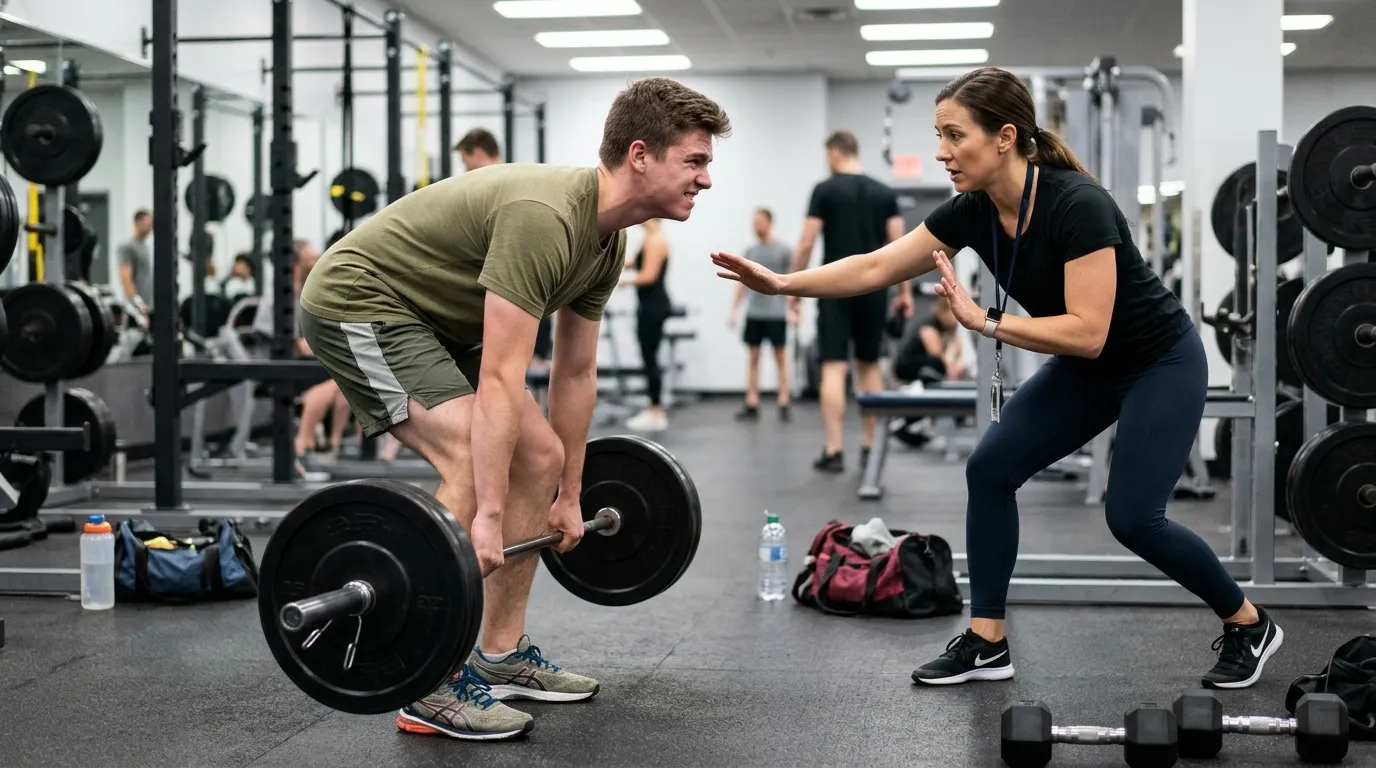
- The Mistake: Loading up barbells or grabbing heavy dumbbells before mastering the underlying movement pattern, often relying on momentum, partial reps, or body swinging.
- The Impact: Poor form shifts tension away from the intended target muscles, increases joint stress, and raises the likelihood of injury.
- The Fix: Master the technique first. Choose a lighter resistance that allows you to control the movement through a comfortable range of motion, and only increase the load once your form is consistent and repeatable.
3. Training Without a Structured Plan
- The Mistake: Walking onto the gym floor or starting a home workout without a clear direction, randomizing exercises based on social media trends, or copying advanced routines unsuited to your current level.
- The Impact: Wasted time, uneven muscle development, and an inability to track progress or measure meaningful results.
- The Fix: Follow a well-designed, beginner-friendly program that targets major movement patterns consistently over several weeks.
4. Skipping or Mismanaging the Warm-Up
- The Mistake: Jumping straight from resting on the couch into heavy working sets or intense sprinting without any physical preparation.
- The Impact: Stiff joints, sluggish initial performance, and a higher risk of muscle strains.
- The Fix: Warm up with a purpose. Spend 3 to 5 minutes on light movement to elevate your heart rate, followed by movement-specific practice or ramp-up sets using lighter weights before your heavy working sets.
5. Neglecting Recovery and Rest Days
- The Mistake: Believing that more work always equals faster results, leading to skipped rest days and neglected sleep.
- The Impact: Overtraining, chronic fatigue, diminished performance, and stalled progress.
- The Fix: Understand that physical adaptation and strength gains occur during rest, not while you are actively working out. Schedule dedicated rest days or incorporate active recovery like walking and light mobility work.
6. Expecting Immediate Transformations
- The Mistake: Expecting dramatic visual or physical changes within the first week or two, which can lead to discouragement when progress feels slow.
- The Impact: Premature abandonment of a sound fitness routine due to unrealistic expectations.
- The Fix: Shift your focus from the scale to consistency. Measure success through non-scale victories: improved energy levels, better sleep, increased strength, enhanced movement quality, and showing up reliably week after week.
Comparison of Beginner Traps vs. Sustainable Habits
| Beginner Trap | Sustainable Habit | Long-Term Benefit |
|---|---|---|
| Maxing out every session | Gradual progressive overload | Continuous strength gains without burnout |
| Copying advanced online splits | Sticking to a foundational beginner routine | Mastering core movement patterns safely |
| Chasing daily scale fluctuations | Tracking consistency and strength milestones | Sustained motivation and realistic goal-setting |
| Ignoring hydration and nutrition | Fueling adequately and staying hydrated | Better recovery, sustained energy, and performance |
Frequently Asked Questions (FAQ)
How many days a week should a beginner strength train? For most beginners, 2 to 3 full-body resistance training sessions per week provide an ideal stimulus. This frequency allows adequate practice of foundational movements while leaving enough days for recovery and supplementary aerobic activity.
Is muscle soreness a sign of a good workout? Not necessarily. While some mild delayed onset muscle soreness (DOMS) is normal when introducing new movements, crippling soreness is not required to make progress. Chronic, excessive soreness often indicates you increased volume or intensity too quickly.
Should I do cardio or weights first? If your primary goal is building strength and muscle, perform your resistance training while your energy and focus are highest, followed by moderate cardio. If your primary goal is endurance performance, you can reverse the order or separate them into different sessions.
Sources & Further Reference
- American College of Sports Medicine (ACSM) – Resistance Training Guidelines and Evidence Reviews
- National Strength and Conditioning Association (NSCA) – Beginner Training Principles and Hydration Impact Studies
- Journal of Strength and Conditioning Research – Programming Variables for Novice Lifters